In 2022 I decided to go electric. I had solar panels installed on my roof and I discontinued my gas supply. I joined the brave new world – where I would not directly consume energy derived from fossil fuels. The energy market was more chaotic than ever with the Russian invasion of Ukraine. The price of gas rocketed and I had enough of the constant uncertainty. Surely there must be a world where we can have some degree of price continuity.
The roof is south facing so solar panels were an easy choice. Since then I have been looking at the sun rise and set each day with the sun’s rays activating the photovoltaic receptors on the panels. The sinusoidal movement of the sun is captured by my monitoring app which shows how much power is being generated as rises and dips over my panels.
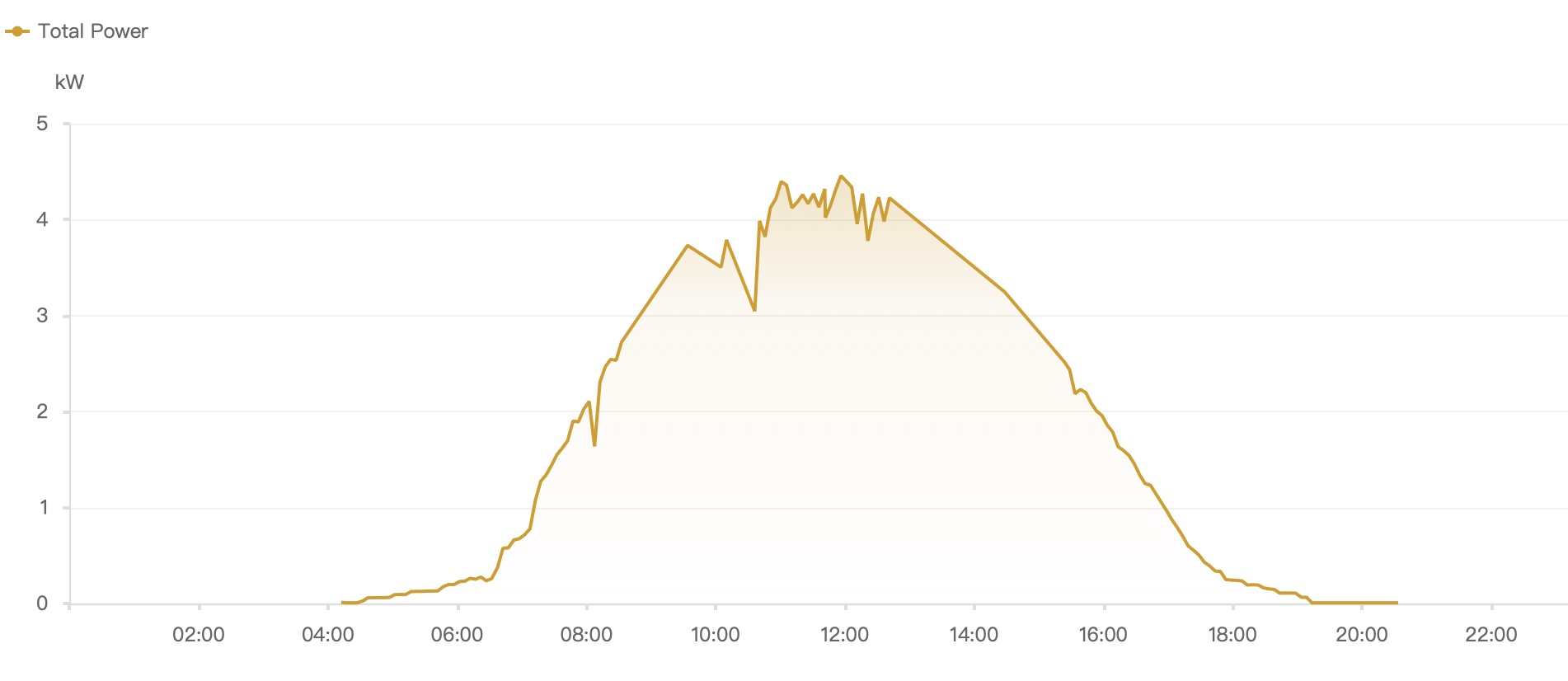
The generation curve is never smooth: there are kinks as the clouds pass; atmospheric haze reduces the sunlight received. Yet I get some usable energy from the sun every day even if it is cold and raining. This is a great achievement for civilisation. We are catching up with plants which absorb light from the sun and chemically convert it into energy stored in the plant tissues.
The crucial point is that instead of waiting a few million years for those plants to fossilise into coal, or for micro-organisms to decompose into crude oil, we now have a way to get energy from the sun directly. Why is this so special? Every time we burn coal or combust oil we make a bad problem worse. We release harmful gases into the atmosphere not to mention the millions of tiny particles that we breathe into our lungs . some pretty harmful gases in addition particulate pollution.
I get around 50% of my household energy from the solar panels over the course of the year. I have reduced my total energy demand by half. Not only am I saving money on bills but also I am doing something good for society. Reducing demand means that, as a country, we have less need to use expensive power plants thus reducing energy costs for everybody.
The house dates from the interwar period and was built with fireplaces in the expectation of coal heating. Later on, gas central heating was installed. The next step in the evolution of home heating is to eliminate gas and oil. Electricity is the most wonderful way of distributing energy. The national grid can pick up sources of energy from around the country and even from international connections. Power is connected into the grid so that the cheapest sources are fed in first. Most of the time I am getting my power from renewable sources connected into the grid. When it is windy, I can expect a lot of wind-generated power. When it is sunny, I can expect a lot of sun-generated power. Going electric means I can tap into these much cheaper forms of power.
Although the main sources of power are cheap, the price of electricity is more expensive than gas mainly because the government taxes electricity more than gas. This discrepancy is a historical anomaly which must be fixed. However, even with higher electricity prices, space heating can be less than you think with electricity due to its greater flexibility.
First of all, forget about the idea of heating up all the rooms in your house. Choose which rooms you need. I only heat one room most of the time – the living room. The kitchen needs a top up in the morning coming down to breakfast; otherwise it is often warm from cooking. I don’t worry about the upstairs rooms because heat rises. The wet rooms have underfloor heating so they don’t feel cold to walk on.
Secondly, choose your temperature. The thermostats connected electric heaters are very effective. The thermostat should be placed in another part of the room from the heater to give a more accurate reading. I also use a separate electronic thermometer to give a second opinion on the temperature.
Thirdly, keep the living room comfortable at no more than 22°C. It may be tempting to turn up the thermostat but this is mistake. Every degree increase in temperature leads to a significant increase in heating costs – which could be as high as 10%. Conversely, if you are warm enough, consider reducing the heating costs by turning down the thermostat.
Fourthly, wear some warm clothes and use a throw when reclining in your living room. Our grandparents, pre-central heating, used to wear knitted garments indoors. This made sense as, by keeping your body wrapped, you do not feel the cold.
Fifthly, use an electric heater precisely where you need it. So in my office, I have a small heater under my desk which is sufficent in the winter, especially combined with the heat coming from my computer and electrical devices. I call this micro-heating. I do the same with lighting – I rarely switch on the general lighting but rely upon ambient lighting and spot lighting for reading or mealtimes.
Sixthly, use a dehumifier. This removes moisture from the inside of the house and filters the air as a bonus. One aspect of having a drier house, apart from less chance of mould, is that it consumes less energy. Air with a lot of water vapour takes a lot more energy to heat up. I don’t want to heat the water vapour, I want the heat the air.
Seventhly, dry your clothes outside. Set up a clothes line. You keep the humidity levels down inside which helps prevent mould. Tumble dryers are notoriously energy hungry.
These tips might help a few people who are taking the plunge into an electric-only future.